JAVOHN Oddie: Interview
Updated: May 9
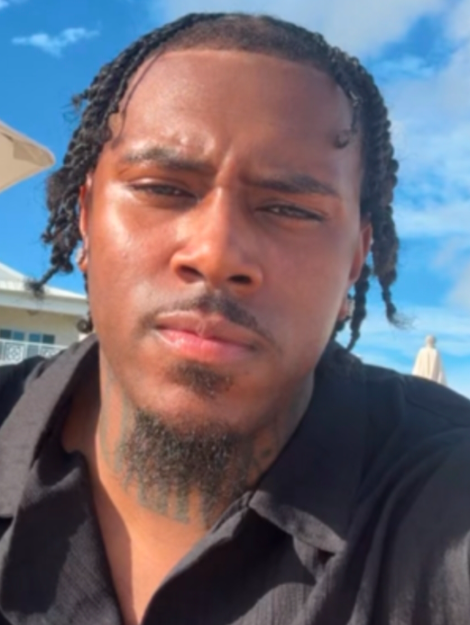
Javohn Oddie

What advice would you give to the younger generation during this time
in our country? (Include advice you’d give for remaining safe as they--
young Black people, move about their day?)
Never stop learning. Life is constantly changing, so it’s important to stay adaptable and open to growth. Learn how to manage money wisely and invest in life insurance early. Choose a policy that can build wealth over time. Be thoughtful and discerning when it comes to relationships, whether in business or romance. Take time to truly understand yourself and be honest about the areas in your life that need improvement. Seek guidance from older, more experienced people — their perspective is invaluable. Finally, keep a diary or maintain personal records; documenting your journey helps you stay accountable and reflect on your progress.
What is one thing that has kept you strong during difficult times—not
only as a Black man in America…but also as an entrepreneur?
One of my strengths is my ability to pivot when things don’t go as planned. I’m resourceful and always look for different ways to balance my life and solve challenges. I’ve also learned to stay calm in intimidating situations, like dealing with law enforcement or unexpected problems.
Another important lesson for me is not to take everything I see online or on social media at face value — staying grounded in reality matters. I know that’s more than one, but they all work together to keep me focused and resilient.
What’s the major change you’ve personally noticed in our world—and in
our country during the last year? 5 years? 20 years?
The past few years have been a whirlwind of uncertainty for everyone, that’s undeniable. But navigating that uncertainty as a Black entrepreneur often means confronting unique layers of systemic challenge while also recognizing hard-won progress. While the last five years have finally seen some long-overdue growth in investment targeting Black founders and businesses – a critical shift we’ve fought for – let’s be clear: we’re still climbing out of a massive historical deficit. That investment, while welcome, often feels like catching up, not leaping ahead.
Zooming out further, the last two decades have been defined by technology ruthlessly reshaping entire industries. This disruption hits everyone, but it lands differently in our communities. When legacy systems get wiped out, the burden to & ‘reeducate’; and adapt falls heavily on workers who’ve historically been marginalized or denied equal access to quality education and training pathways. As an entrepreneur, I see this as both a profound challenge and a core part of my mission.
My drive comes from this intersection: leveraging the potential of this new investment landscape to build solutions that empower our community to not just survive these technological shifts, but to thrive within them. It’s about creating businesses that do more than turn a profit – they must actively create opportunities, provide relevant re-skilling, and ensure that Black talent isn’t just reacting to the future of work, but is equipped to help build it. We can’t afford to be passive consumers of technology or victims of disruption; we have to be architects, innovators, and owners. That’s the resilience and vision we’re bringing to the table.
What’s the worst or most difficult challenge you’ve had to face
personally as a Black man growing up in America? How specifically did
you overcome it? As an entrepreneur, what’s been your biggest challenge?
One of the greatest challenges I’ve faced was becoming a young Black husband and father before I fully understood how deep that responsibility runs. As a young Black man in America, carrying the weight of providing for my family and guiding my children — all while still discovering who I was becoming as a man —tested my mind, spirit, and resolve daily.
What got me through was having a strong core of family and community. I was blessed with mentors and elders who gave me honest advice, and most importantly, a wife whose unwavering belief in me anchored our household through every up and down.
Early on, I had a good job right out of college, but it paid me $20,000 less than others in the same position. When I asked for fair pay, I was denied — and that denial fueled my decision to bet on myself. I knew I couldn’t allow someone else’s limitations to define my worth or my future.
So I stepped out on faith and started my own multimedia and web development business to serve small businesses in my community. My wife believed in my vision so deeply that she bought me my first computer to design client logos and held our family steady while I built my company from scratch.
Not even a year later, the recession hit hard. Many people would have folded, but I refused to let that setback kill my dream. I adapted my business model, adjusted my prices, and stayed connected to my clients’ changing needs. Those pivots turned my company into a sustainable, profitable business for years to come.Being a Black entrepreneur in America means learning how to navigate setbacks that are sometimes bigger than just business challenges — they’re social and systemic too. But my journey has taught me to stand firm, stay adaptable, and keep creating opportunities not just for myself, but for my family and my community. I’m proud of every lesson and every comeback along the way.
Best advice you believe you were given that remains with you? Did you
receive it at the time? Why or why not? (This can be general advice as
well as entrepreneurial advice)
Over the years, I’ve been blessed to receive valuable advice from some incredible, accomplished people —many of whom are highly educated, respected leaders in their fields. One piece of wisdom that has guided me to this day came from Greg Dulan of Dulan’s Soul Food, who was actually my first professional, paid website client.
One day, we were talking about success, and I asked him how long he’d been doing it. He laughed and told me, ‘I’m an overnight 20-year success.’ That hit me deeply — especially as a Black American entrepreneur who knows that nothing truly happens overnight for us.
His words reminded me that real success is built quietly, over many years of hard work, sacrifice, and persistence that often goes unseen. I took that to heart. I committed to doing the work — no matter how long it takes — knowing that the real victory is in the journey, not just the public recognition.Today, people see my success and what I’ve accomplished, but they often don’t see the late nights, the setbacks, or the obstacles I had to overcome as a Black man building something for my family and my community. That’s why this advice means so much to me: when others call me successful now, I know that the true success happened in all the moments when nobody was watching — when I stayed the course and refused to give up.
Who has been the most impactful person/s in your life? Why?
The most impactful person in my life is my mother. I’ve had the blessing of watching her grow into the true backbone of our family. My father was a well-known minister when I was young, and my mother stood by his side, supporting his ministry while pursuing her own education in computer science. She became a top salesperson at the companies she worked for, all while raising me — her first child — and my four siblings.
Life brought its share of challenges. When I was twelve, my parents divorced, which was a tough season for all of us. But by the grace of God, we made it through together. My mother worked tirelessly, earning well but always living within her means so she could provide the best she could for us. Later, she answered her own calling and became a minister herself. Her unwavering faith and dedication to God and family have been my greatest examples of strength, resilience, and grace. So much of who I am comes from her: my creativity, poise, inner strength, leadership, and sense of community. From my father, who is no longer with us, I inherited my entrepreneurial spirit and determination to build something meaningful. But it’s my mother’s prayers that have covered and protected me and my siblings throughout our lives.
Her life, love, and sacrifice keep me grounded, faithful, and confident in what I’m capable of achieving.
Where do we go from here – as we see the quick changes – and the serious
decline—morally, etc. Along with the removal of accomplishments/advances we
fought for and won? Share your thoughts.
Sometimes we have to face the worst parts of ourselves and our circumstances to truly see what needs to change. I believe we’re living in a time when we all must look inward, hold ourselves accountable, and commit to becoming better. We must lead by example, showing others what’s possible and offering a blueprint for those still trying to find their way. We must keep fighting for our faith and beliefs, and invest in shaping our youth to carry that fight forward.
It’s vital that we never allow our history to be hidden or erased. Instead, we should embrace new technology to tell our stories, share our truths, and build pride and unity among our people.
Above all, we must trust in our Father in Heaven and walk the path laid out for us. And as we do, we must practice patience, forgiveness, and compassion, especially in how we care for and support those struggling with mental health at every level.
By living these principles, we can create real, lasting change — for ourselves, our families, and our communities.”


Comments